
Claim Same-Day Service Today
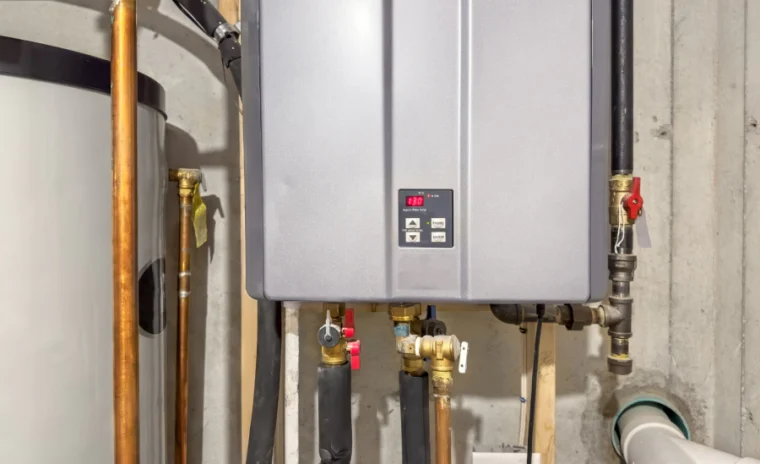
Hot water is something most homeowners rely on daily for showers, cleaning, laundry, and cooking. Yet, water heaters often go unnoticed until something goes wrong. Without regular upkeep, sediment buildup, worn components, and hidden leaks can reduce efficiency and shorten the lifespan of your system. Understanding proper maintenance on a water heater helps homeowners avoid expensive repairs, improve efficiency, and ensure reliable hot water year-round.
Whether you have a traditional storage tank or a tankless model, routine care plays a major role in performance. This guide explains the most important maintenance tasks, practical tips, and warning signs to help keep your system operating safely and efficiently.
Why Water Heater Maintenance Matters
Like any appliance, water heaters experience wear and tear over time. Minerals from hard water can collect inside the tank, components can wear down, and small leaks may develop unnoticed.
Benefits of routine water heater preventive maintenance include:
- Improved energy efficiency
- Lower utility costs
- Longer equipment lifespan
- More consistent hot water supply
- Reduced risk of unexpected breakdowns
- Improved safety
Ignoring maintenance can result in poor heating performance, rust, leaks, or complete system failure.
Regular heating system maintenance also helps identify problems early before they become costly repairs.
Understanding Different Types of Water Heaters
Before beginning maintenance, it helps to understand which type of system you own.
1. Traditional Tank Water Heaters
These systems store heated water in a tank and keep it ready for use.
Common maintenance needs include:
- Tank flushing
- Sediment removal
- Pressure valve inspection
- Leak detection
2. Tankless Water Heaters
Tankless systems heat water on demand rather than storing it.
Maintenance for tankless water heater systems often focuses on:
- Descaling mineral buildup
- Cleaning filters
- Inspecting water flow performance
Both systems benefit from regular inspections and preventative care.
Step 1: Inspect for Leaks
One of the simplest yet most important steps in maintenance on a water heater is checking for leaks.
Inspect areas around:
- Pipe connections
- Valves
- Tank seams
- Drain valves
Look for:
- Water puddles
- Rust stains
- Moisture buildup
- Corrosion
Even small leaks can worsen over time and damage surrounding flooring or walls.
If you notice active leaking, professional service may be necessary.
Step 2: Flush the Tank Regularly
Sediment buildup is one of the biggest problems affecting traditional water heaters.
Minerals settle at the bottom of the tank and can:
- Reduce heating efficiency
- Cause strange noises
- Increase energy bills
- Shorten system lifespan
How to Flush a Water Heater
- Turn off the power or gas supply.
- Shut off the cold water supply.
- Connect a hose to the drain valve.
- Drain water into a safe area.
- Refill the tank and restore power.
Flushing once or twice per year is a key part of any water heater maintenance checklist.
Homes with hard water may require more frequent flushing.
Step 3: Test the Temperature and Pressure Relief Valve
The temperature and pressure relief (T&P) valve protects your water heater from dangerous pressure buildup.
To test:
- Place a bucket beneath the discharge pipe.
- Lift the valve lever slightly.
- Allow water to release briefly.
- Confirm water flows properly.
If no water comes out or the valve leaks afterward, replacement may be needed.
This is one of the most important water heater safety checks.
Step 4: Check the Thermostat Setting
Water heater temperature affects both comfort and efficiency.
Most experts recommend keeping the thermostat around 120°F (49°C).
Benefits of proper temperature settings include:
- Reduced energy costs
- Lower scalding risk
- Better system efficiency
Excessively high temperatures force the heater to work harder and may shorten equipment life.
Checking thermostat settings belongs on every water heater maintenance checklist.
Step 5: Inspect the Anode Rod
The anode rod protects the tank from rust and corrosion.
It works by attracting corrosive minerals before they damage the tank.
Signs the rod may need replacement:
- Rust-colored water
- Metallic odor
- Visible corrosion
Most anode rods should be inspected every few years.
Replacing a worn anode rod can significantly extend water heater lifespan.
This is one of the most overlooked aspects of water heater preventive maintenance.
Step 6: Examine Venting Systems (Gas Water Heaters)
For gas-powered systems, venting inspection is essential.
Check for:
- Loose connections
- Rusted vent pipes
- Blockages
- Proper airflow
Poor venting can create dangerous carbon monoxide risks.
If anything appears damaged or unsafe, contact a qualified technician immediately.
Safety inspections are a major part of responsible heating system maintenance.
Step 7: Inspect Insulation and Pipes
Insulating exposed pipes can help reduce heat loss.
Benefits include:
- Faster hot water delivery
- Lower energy use
- Reduced heat loss
Check nearby insulation for:
- Damage
- Moisture
- Missing sections
Water heater blankets may also improve efficiency for older tank models.
Small improvements can contribute to lower utility bills over time.
Step 8: Clean Around the Water Heater
Keeping the surrounding area clean improves safety and accessibility.
Avoid storing:
- Paint
- Chemicals
- Boxes
- Flammable materials
For gas systems especially, airflow around the heater matters.
Dust and clutter may also make leak detection harder.
Simple housekeeping supports better long-term performance.
Maintenance for Tankless Water Heater Systems
Tankless systems require a slightly different maintenance approach.
1. Descale the Unit
Mineral buildup inside heat exchangers can reduce efficiency.
Many homeowners descale annually using vinegar or manufacturer-approved cleaning solutions.
2. Clean the Inlet Filter
Tankless units often include filters that trap debris.
A clogged filter may reduce water pressure and heating efficiency.
3. Inspect Water Flow
Low water flow or inconsistent temperatures may indicate scaling or maintenance needs.
Routine maintenance for tankless water heater systems helps preserve efficiency and extend equipment life.
Water Heater Maintenance Checklist
Use this practical water heater maintenance checklist to stay organized:
- Inspect for leaks and corrosion
- Flush the tank annually
- Test the temperature and pressure relief valve
- Check thermostat settings
- Inspect the anode rod
- Examine venting systems
- Insulate exposed pipes
- Clean around the water heater
- Descale tankless systems if applicable
- Inspect filters and water flow
Following a structured checklist makes maintenance easier and more consistent.
Warning Signs Your Water Heater Needs Attention
Even with regular maintenance, problems can still develop.
Watch for warning signs such as:
1. Rusty Water
May indicate tank corrosion.
2. Strange Noises
Popping or rumbling sounds often suggest sediment buildup.
3. Inconsistent Water Temperature
Could signal thermostat or heating element issues.
4. Reduced Hot Water Supply
May indicate sediment problems or aging equipment.
5. Visible Leaks
Require immediate attention to prevent water damage.
Recognizing problems early can help reduce repair costs.
Water Heater Preventive Maintenance Tips
These practical water heater preventive maintenance tips can improve system performance:
1. Schedule Annual Inspections
Professional inspections catch hidden issues early.
2. Monitor Water Quality
Hard water may increase mineral buildup.
3. Replace Aging Components
Small repairs often cost less than full replacement.
4. Don’t Ignore Small Leaks
Minor issues can quickly worsen.
5. Follow Manufacturer Recommendations
Each system has unique maintenance requirements.
Consistent maintenance reduces unexpected breakdowns and improves reliability.
When to Call a Professional
Some maintenance tasks are simple for homeowners, but professional help may be needed for:
- Gas system problems
- Major leaks
- Heating element replacement
- Pressure valve issues
- Tank corrosion
- Persistent heating problems
Professional service helps ensure safe repairs and code compliance.
Final Thoughts
Understanding proper maintenance on a water heater helps homeowners protect one of the most important systems in the home. From flushing the tank and checking for leaks to inspecting valves and performing regular water heater preventive maintenance, simple upkeep can make a major difference in performance and lifespan.
Whether you are following a water heater maintenance checklist, planning maintenance for tankless water heater systems, or improving overall heating system maintenance, regular attention helps improve efficiency, reduce energy costs, and prevent unexpected breakdowns. A well-maintained water heater can deliver reliable hot water for many years while helping homeowners avoid costly repairs.
